Dialysis is a procedure to remove waste products and excess fluid from the blood when the kidneys stop working properly. It often involves diverting blood to a machine to be cleaned.
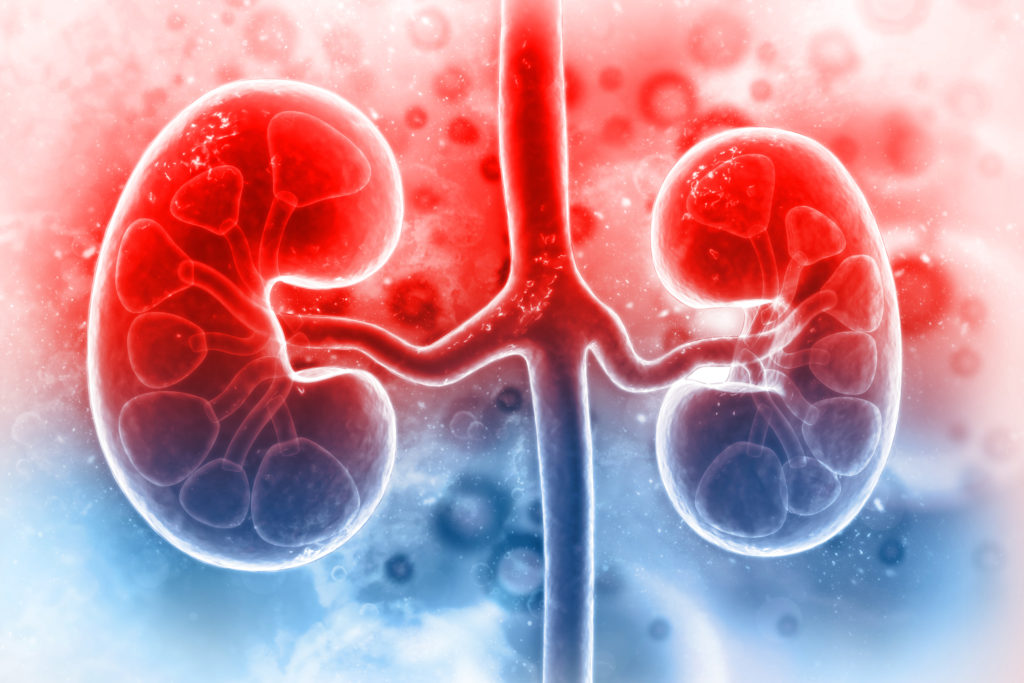
Normally, the kidneys filter the blood, removing harmful waste products and excess fluid and turning these into urine to be passed out of the body.
Why do I need dialysis?
Disease
If your kidneys are not working properly – for example, because you have advanced chronic kidney disease (kidney failure) – the kidneys may not be able to clean the blood properly.
Waste Levels
Waste products and fluid can build up to dangerous levels in your body. Left untreated, this can cause a number of unpleasant symptoms and eventually be fatal.
Cleansing
Dialysis filters out unwanted substances and fluids from the blood before this happens.
It depends. In some cases, kidney failure may be a temporary problem and dialysis can be stopped when your kidneys recover.
But often, someone with kidney failure will need a kidney transplant.
It’s not always possible to carry out a kidney transplant straight away, so dialysis may be needed until a suitable donor kidney becomes available.
If a kidney transplant is not suitable for you – for example, because you’re not well enough to have a major operation – dialysis may be needed for the rest of your life.
What happens during dialysis?
Click Play to watch the Video
There are 2 main types of dialysis: haemodialysis and peritoneal dialysis.
Haemodialysis
Haemodialysis is the most common type of dialysis and the one most people are aware of.
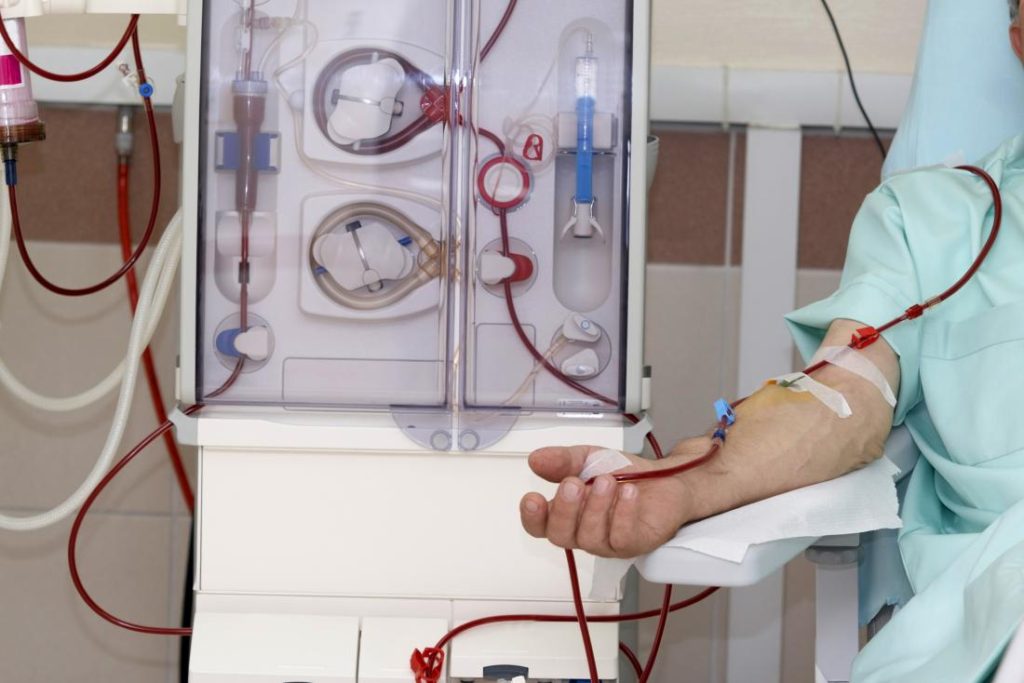
During the procedure, a tube is attached to a needle in your arm.
Blood passes along the tube and into an external machine that filters it, before it’s passed back into the arm along another tube.
At dialysis centres, this is usually carried out 3 days a week, with each session lasting around 4 hours.
It can also be done at home. Some examples of a home dialysis schedule include:
4 times a week for 4 hours
5 times a week for 3 hours
6 days a week for 8 hours overnight
Peritoneal dialysis
Peritoneal dialysis uses the inside lining of your abdomen (the peritoneum) as the filter, rather than a machine.
Like the kidneys, the peritoneum contains thousands of tiny blood vessels, making it a useful filtering device.
Before treatment starts, a cut (incision) is made near your belly button and a thin tube called a catheter is inserted through the incision and into the space inside your abdomen (the peritoneal cavity). This is left in place permanently.
Fluid is pumped into the peritoneal cavity through the catheter. As blood passes through the blood vessels lining the peritoneal cavity, waste products and excess fluid are drawn out of the blood and into the dialysis fluid.
The used fluid is drained into a bag a few hours later and replaced with fresh fluid.